
Industrial Resilience
Prepare for, withstand and recover from cyber incidents and operational disruption.
- NEXION OT Cyber Resilience Platform
- Readiness for major incidents
- Governance, Risk & Compliance
- Penetration testing
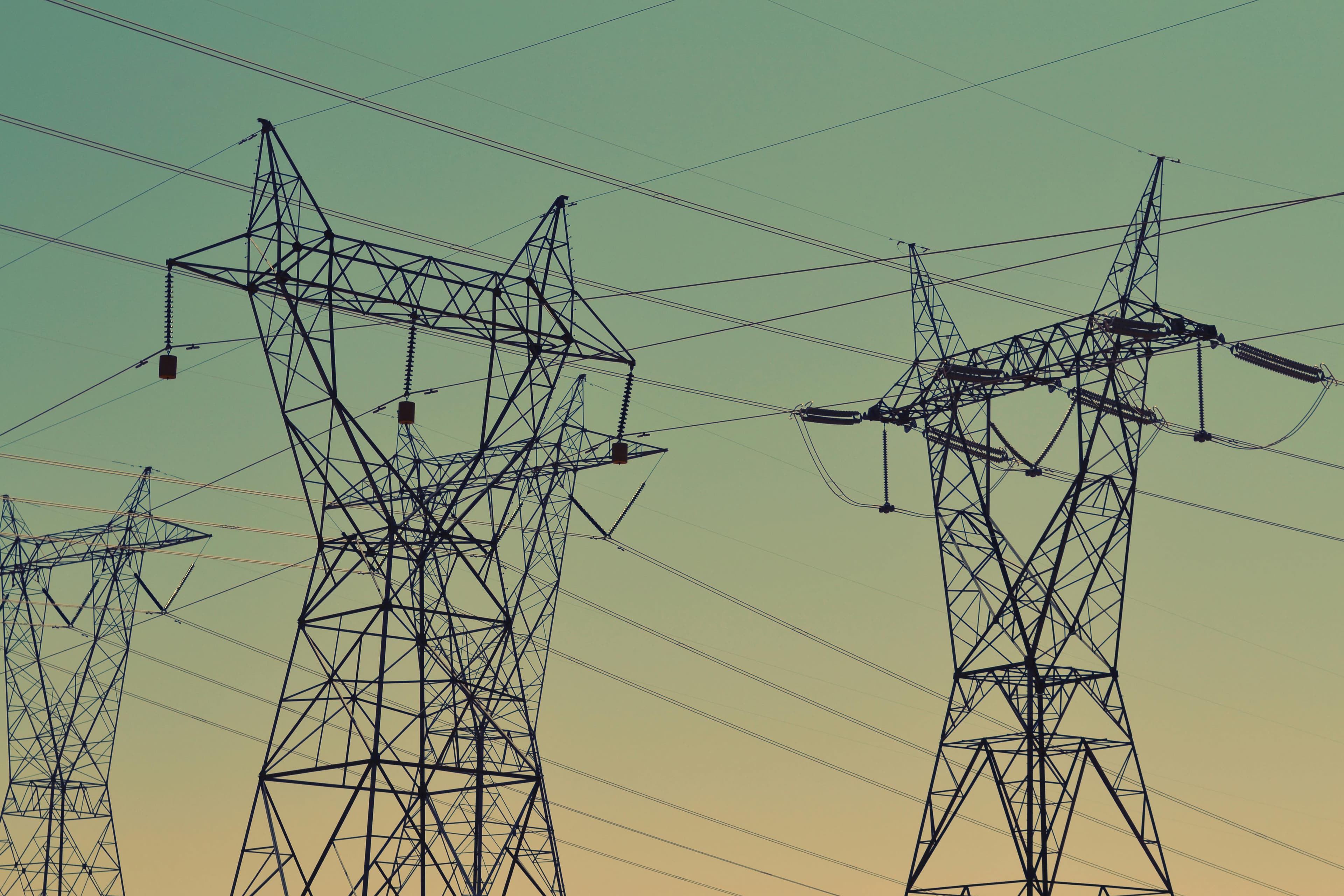
OT cyber resilience across power generation, transmission and distribution, and the gas networks that keep the lights on.
Energy and utilities are the infrastructure every other sector depends on. A cyber incident in OT does not stay digital, it becomes lost generation, an unstable grid, or interrupted supply.
The estate is vast and long-lived: generation plant, substations, transmission and distribution SCADA, and gas networks, much of it engineered decades before these systems were ever connected.
Connectivity, remote operation and distributed renewable generation have widened the attack surface faster than the controls, and the safety regime around them, have kept pace.
230k+
Ukraine grid, 2015
A coordinated cyberattack switched off substations and cut power to around 230,000 people, the first confirmed grid takedown by cyber means.
6days
Colonial Pipeline, 2021
A ransomware attack shut the largest US fuel pipeline for six days and triggered regional shortages, with OT precautionarily isolated.
4/wk
Nationally significant incidents
Now handled every week by the UK's National Cyber Security Centre.
Our work is organised into three capability areas. Each maps directly onto the energy problems that follow, across generation, transmission and distribution, and gas networks.
Prepare for, withstand and recover from cyber incidents and operational disruption.
Secure and modernise control systems and OT environments.
Help operators navigate operational reality and digital innovation.
We are vendor-, tool- and standard-agnostic. We map to NIS / CAF, NERC CIP, IEC 62443 and NIS2, without locking you into any one of them.
Our work maps directly onto the problems energy operators face, across generation, the grid, and gas networks.
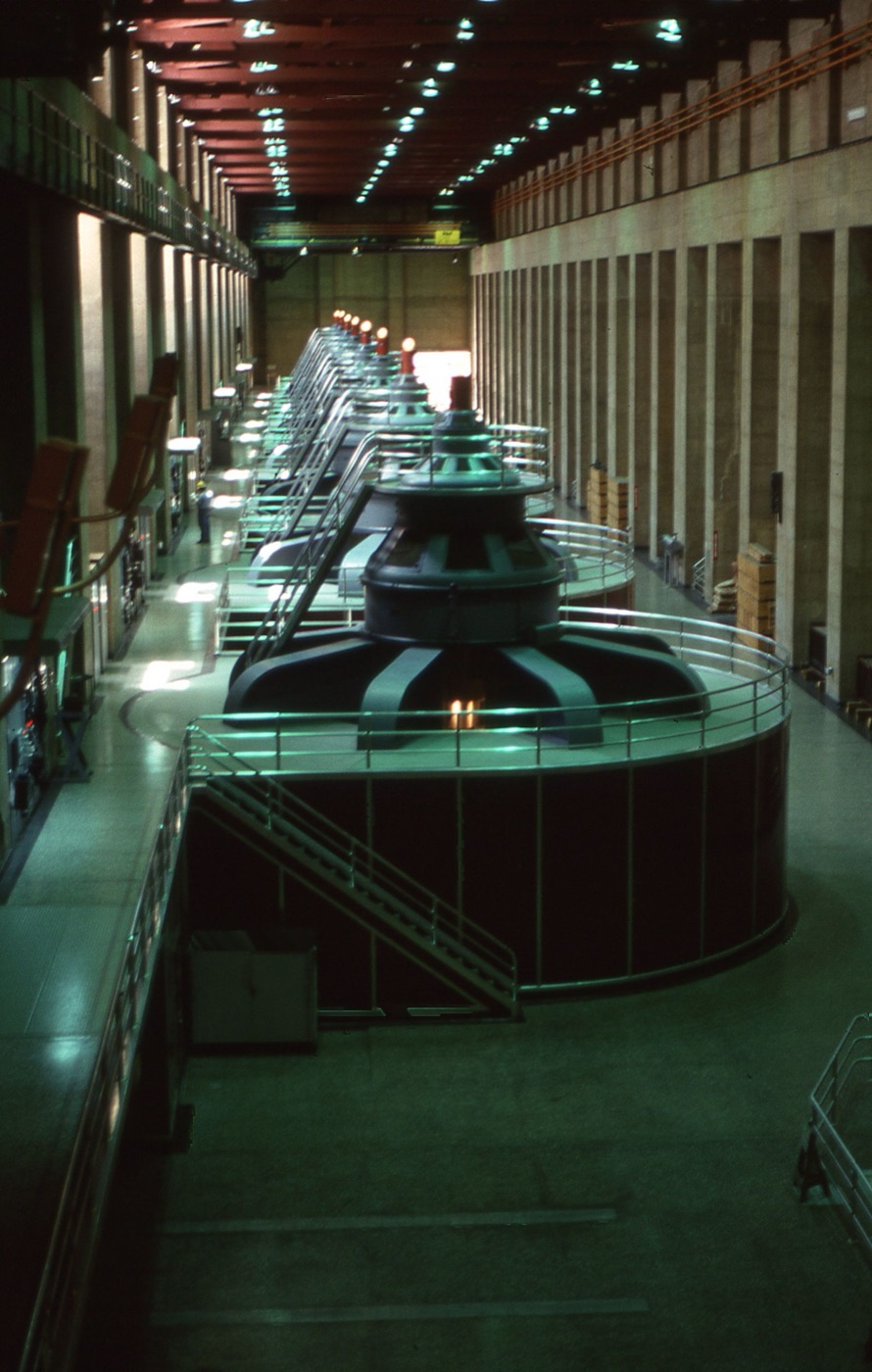
Thermal, nuclear, hydro and renewable generation, and the DCS, SCADA and safety systems that run it.
Generation runs on long-lived control systems, DCS, SCADA, PLCs and safety instrumented systems, that were built for availability and safety, not adversaries. Many plants now reach back to corporate IT and out to OEM remote support, and renewable and distributed assets add large fleets of connected, remotely managed equipment. A cyber incident can force an unplanned trip, threaten the safety case, or take generation offline at the worst possible moment for the system.
Generation availability protected, with the safety case preserved as plant becomes more connected.
Controlled, monitored remote access for OEMs and operators.
Faster, rehearsed recovery when an incident forces a trip.
Cyber risk priced into new-build and renewable investment, not discovered after go-live.
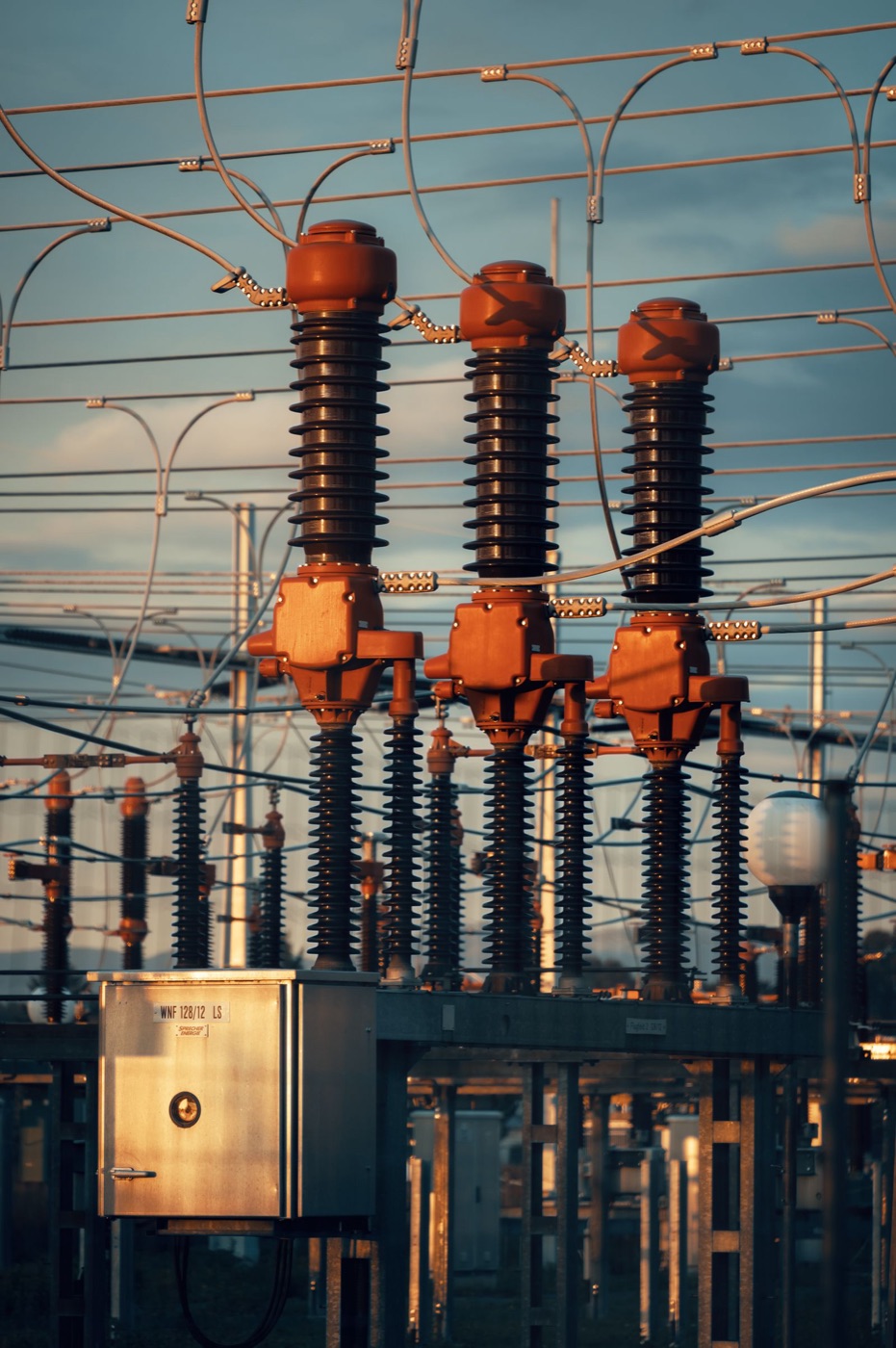
Substations, grid SCADA, protection and control, and the operational networks that balance the system.
The grid depends on geographically dispersed substations, protection and control, and grid SCADA that must operate in real time to keep the system stable. Digital substations and wide-area connectivity have widened exposure, and the Ukraine attacks proved that manipulating this layer can switch off power directly. The estate is hard to monitor and physically secure, and operators depend on a small number of vendors and integrators.
Protected grid availability and system stability.
Reduced exposure across a dispersed substation estate.
Leverage over the vendors and integrators that can affect the network.
Demonstrable alignment to NIS / CAF, NERC CIP and IEC 62443.
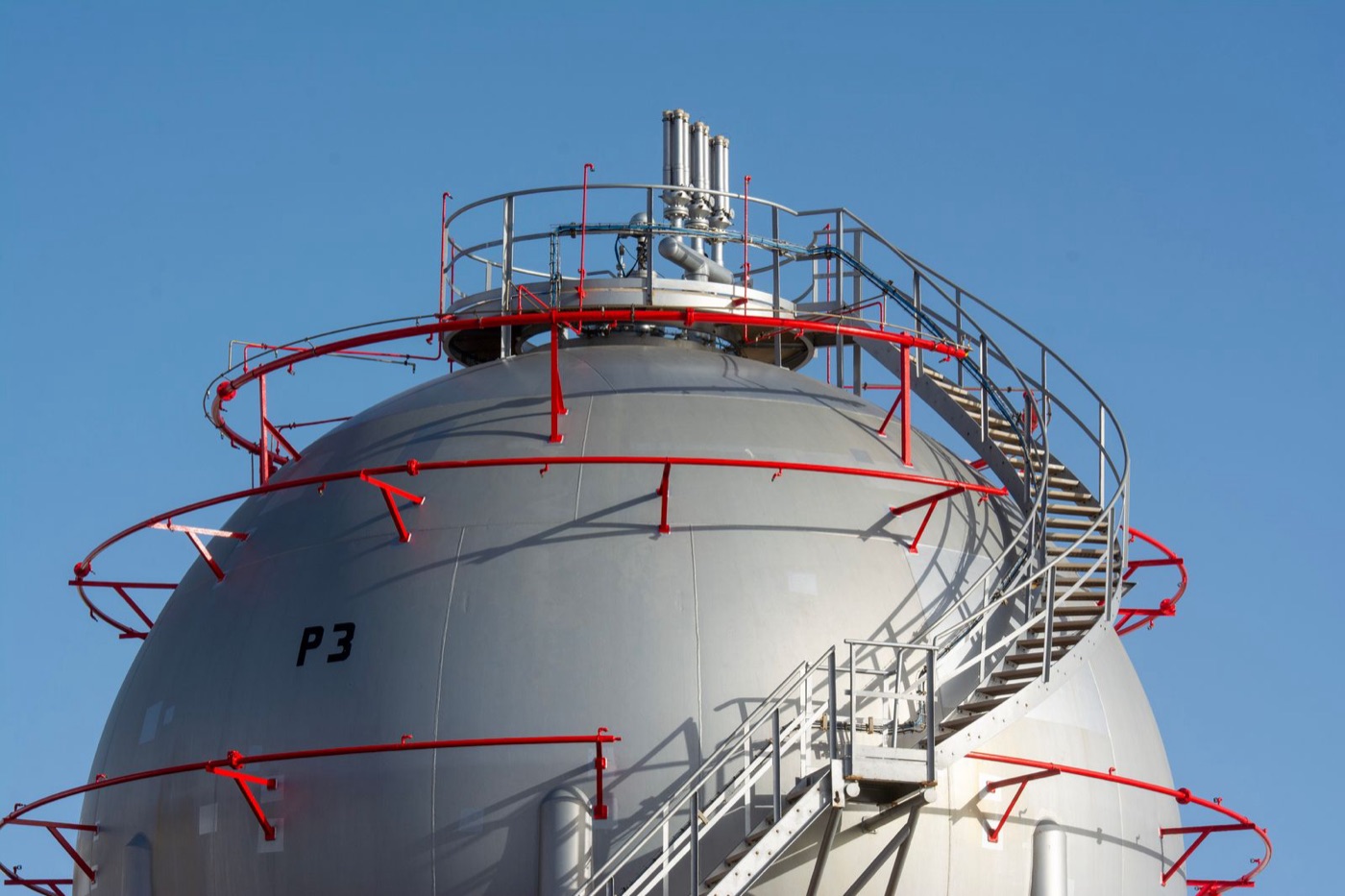
Transmission and distribution pipelines, compressor and pressure-reduction stations, and metering.
Gas networks run on pipeline SCADA, compressor and pressure-reduction stations and metering spread across vast, remote estates, frequently with limited physical security and ageing telemetry. A cyber incident that disrupts pressure control or telemetry is a safety hazard, not just an outage, and the Colonial Pipeline case showed how a business-IT compromise can force precautionary shutdown of the operational side.
Protected supply continuity and pipeline safety.
Controlled, monitored remote access across a dispersed estate.
Faster, rehearsed recovery when an incident hits.
Demonstrable regulatory alignment and a stronger position with regulators and insurers.
Every capability maps to a specific energy need across the value chain. Use this as the at-a-glance view of how we can help.
Continuous OT monitoring and a single view of resilience posture across plants, substations and networks.
Trip, control-centre-down and pipeline-down playbooks, rehearsals and tested recovery.
Alignment to NIS / CAF, NERC CIP, IEC 62443 and NIS2, with board-ready reporting.
OT-safe validation of segmentation across substations and control centres.
Multi-site OT security architecture and roadmap, delivered without disrupting supply.
On-the-ground rollout and commissioning across plants and stations.
Cyber assurance at capex, new build, renewables, digital substations and network upgrades.
Risk-tiering and continuous assurance of OEMs, integrators and remote access.
Safety-cyber convergence and OT strategy from operator-side practitioners.
Modelling and automating operational and assurance workflows for consistency and control.
Integrity and governance of operational and grid data feeding analytics and AI.
Governing AI that touches operational or safety decisions, on trusted operational data.
We come from the operational floor.
We have run multi-region OT security programmes across energy and other critical infrastructure. That matters here, where advice that ignores live operations and safety cases gets ignored on the ground.
We are vendor-, tool- and standard-agnostic. We map to what you already run and the frameworks you already answer to, and we leave you with capability, not dependency.
Engineers who have programmed the PLCs, built the panels and recovered the plant across 25+ industrial sites.
We map to what you already run and the frameworks you answer to. We leave you with capability, not dependency.
Evidence the board can act on, delivered inside live operational constraints, not a slide deck.
Engineers who have stood in the control room, not a slide deck.