
Industrial Resilience
Prepare for, withstand and recover from cyber incidents and operational disruption.
- NEXION OT Cyber Resilience Platform
- Readiness for major incidents
- Governance, Risk & Compliance
- Penetration testing
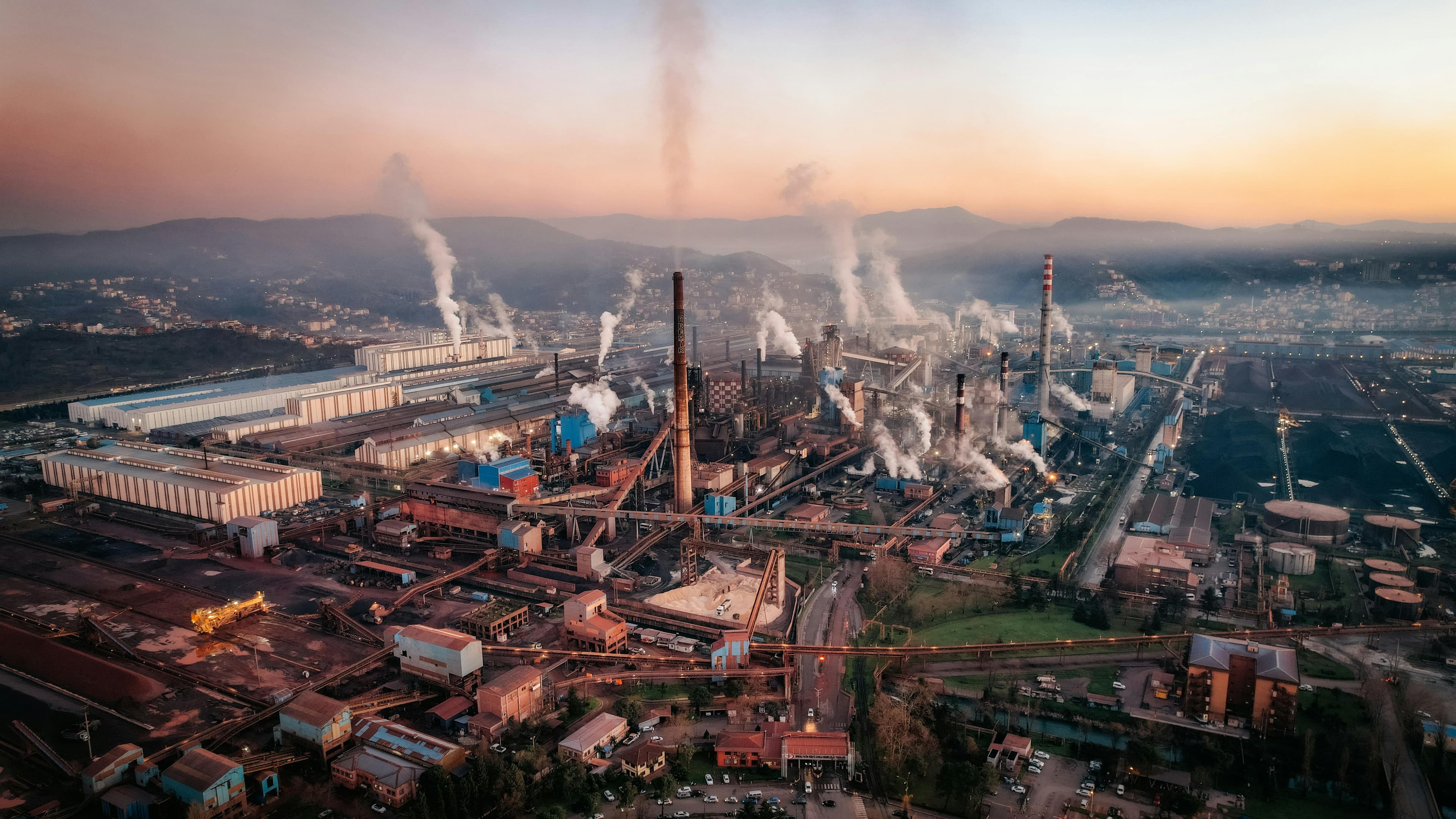
OT cyber resilience for process plants, discrete plants, and the quality & safety systems that sit across both.
Manufacturing has become one of the most-targeted sectors for ransomware, for a simple reason: when a plant stops, the loss is immediate, visible and hard to recover.
For a plant director the threat is not data theft in the abstract, it is a line freezing mid-shift, a batch lost, a safety system behaving unpredictably, or a critical supplier going dark.
OT environments were never designed for this: decades-old PLCs and DCS, flat networks, permanent OEM remote-access links, and safety systems sharing infrastructure with everything else. Connectivity has arrived faster than the controls to govern it.
£1.9bn
Jaguar Land Rover, 2025
A five-week production shutdown that rippled across ~5,000 supply-chain businesses, reported as the most economically damaging cyber incident in UK history.
£300m
Marks & Spencer
Estimated lost profit from a single breach earlier the same year.
4/wk
Nationally significant incidents
Now handled every week by the UK's National Cyber Security Centre.
Our work is organised into three capability areas. Each maps directly onto the manufacturing problems that follow, process plants, discrete plants, and the quality & safety systems across both.
Prepare for, withstand and recover from cyber incidents and operational disruption.
Secure and modernise industrial control systems and OT environments.
Help industrial organisations navigate operational reality and digital innovation.
We are vendor-, tool- and standard-agnostic. We map to the frameworks you already answer to, without locking you into any one of them.
Our work maps directly onto the manufacturing problems operators face, process plants, discrete plants, and the quality & safety systems across both.
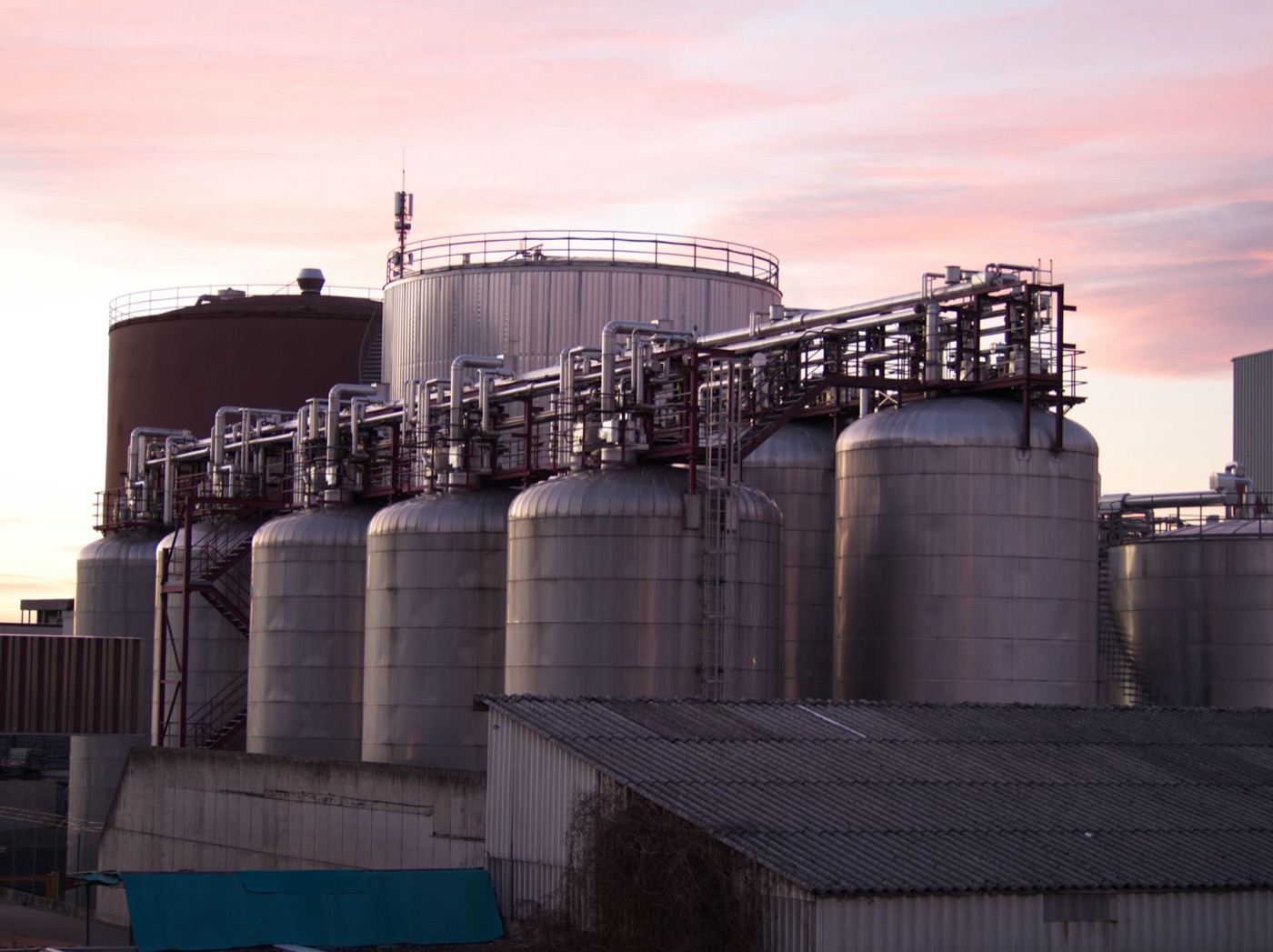
Continuous and batch operations, chemicals, food & beverage, pharmaceuticals, distilling, energy and water treatment.
Continuous and batch operations cannot simply be paused and resumed. The control estate, DCS, SCADA, PLCs and instrumentation, has a 15-to-30-year lifecycle, runs unpatched by design, and increasingly reaches back to corporate IT and out to OEM support. A ransomware event can force an uncontrolled shutdown, spoil in-progress product, and leave operators blind. Recovery is rarely restore-from-backup: control logic, recipes and historian data must all come back in the right state and order.
Production continuity, with a rehearsed path to safe shutdown and restart.
Lower unplanned downtime and faster, more predictable recovery.
Demonstrable regulatory alignment and a stronger position with insurers.
Decisions made by people who understand the process, not just the protocol.
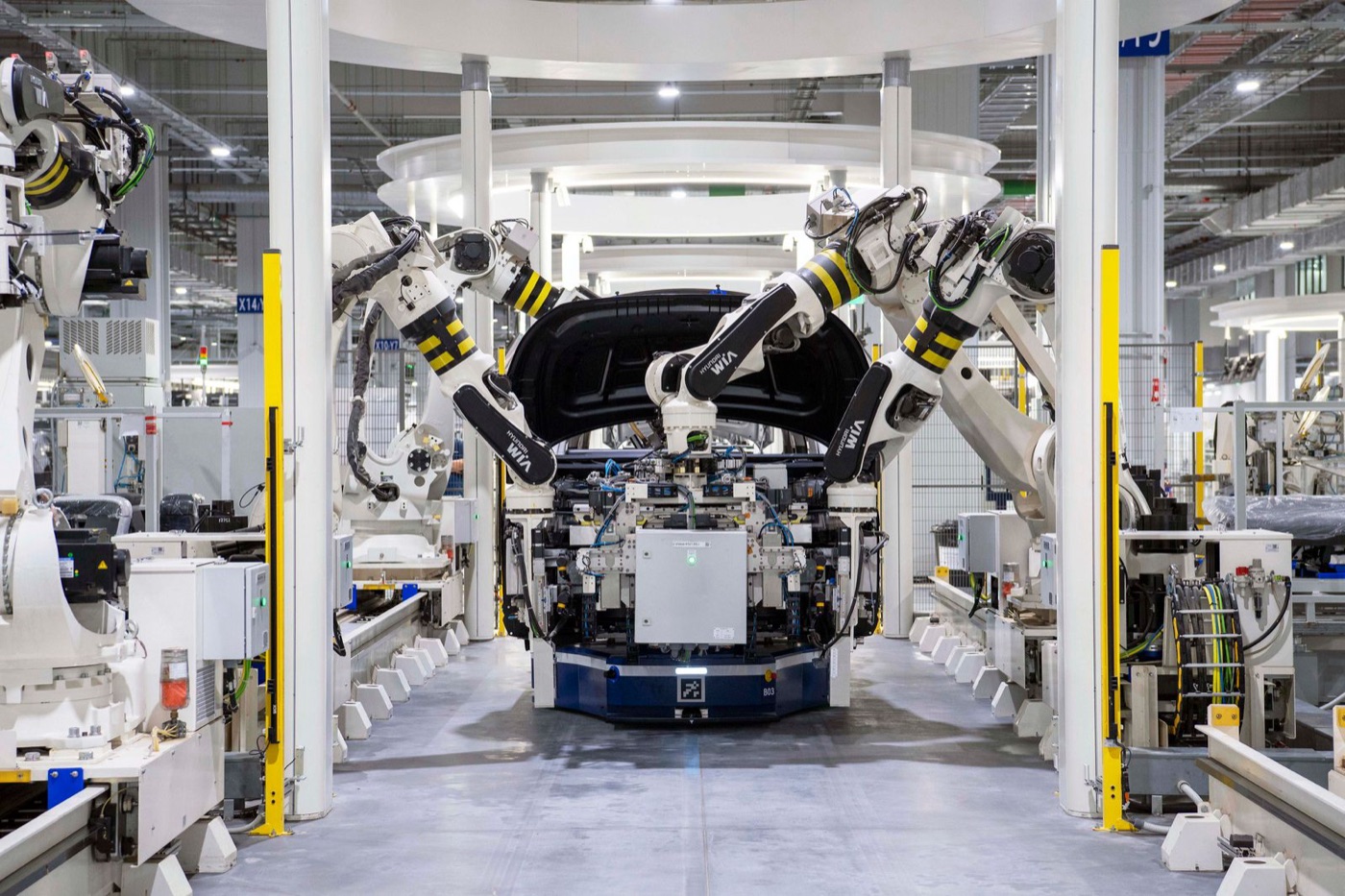
High-throughput, just-in-time manufacturing, automotive, electronics, aerospace, assembly.
Discrete manufacturing runs on throughput and just-in-time supply, leaving almost no buffer to absorb a stoppage. A single compromised cell, MES or line controller can halt the whole line, and a compromised supplier can halt you without ever touching your network. The Jaguar Land Rover shutdown is the clearest illustration: a cyber incident that rippled across roughly 5,000 supply-chain businesses and stopped production for over a month. Robotics, PLCs and converged IT/OT all widen the attack surface.
Protected throughput and reduced exposure to single points of failure on the line.
Supply-chain resilience, visibility of, and leverage over, the partners that can stop you.
Faster recovery and a rehearsed response when a line does go down.
Cyber risk priced into investment decisions, not discovered after go-live.

The systems that prove product quality and keep people safe, across both process and discrete plants.
Cyber risk crosses into the physical world through two systems that must never be wrong: the ones that prove product quality, and the ones that keep people safe. Tampering with setpoints, recipes or batch records can produce out-of-spec or unsafe product; manipulating historian or MES data undermines the integrity regulators rely on (GxP, 21 CFR Part 11). Where safety instrumented systems share infrastructure with the control network, a cyber event becomes a safety event. Functional safety and cybersecurity have been governed separately, and the gap between them is where incidents live.
Protected product quality and demonstrable data integrity for audit and inspection.
Safety-case integrity maintained as systems become more connected.
Reduced exposure to recall, liability and regulatory action.
A single, defensible line of sight across quality, safety and cyber.
Every capability maps to a specific manufacturing need. Use this as the at-a-glance view of how we can help.
Continuous OT monitoring and a single view of resilience posture across sites, with recovery orchestration.
Ransomware and line-/process-down playbooks, rehearsals, and tested recovery sequences.
Alignment to NIS2, IEC 62443 and sector rules, with board-ready reporting on OT risk.
OT-safe validation of segmentation and of safety / control network separation.
Multi-site OT security architecture and roadmap, delivered without disrupting production.
On-the-ground rollout and commissioning by engineers who know the equipment.
Cyber assurance at the point of capex, new lines, automation and acquisitions.
Risk-tiering and continuous assurance of suppliers, OEMs and remote access.
Integrity of historian, MES and batch data, and governance of plant-floor data and AI.
Safety-cyber convergence and OT strategy from operator-side practitioners.
Modelling and automating OT/quality workflows; preparing data foundations for safe AI.
Governing AI that touches quality or safety decisions, on trusted master and operational data.
We come from the plant floor.
That matters in manufacturing, where security advice that ignores production reality gets ignored on the floor. We have done it across distilling, food & beverage, pharma, water, energy and logistics.
We are vendor-, tool- and standard-agnostic. We map to what you already run and the frameworks you already answer to, and we leave you with capability, not dependency.
Engineers who have programmed the PLCs, built the panels and recovered the plant across 25+ industrial sites.
We map to what you already run and the frameworks you answer to. We leave you with capability, not dependency.
Evidence the board can act on, delivered inside live operational constraints, not a slide deck.
Engineers who have stood in the control room, not a slide deck.