
Industrial Resilience
Prepare for, withstand and recover from cyber incidents and operational disruption.
- NEXION OT Cyber Resilience Platform
- Readiness for major incidents
- Governance, Risk & Compliance
- Penetration testing
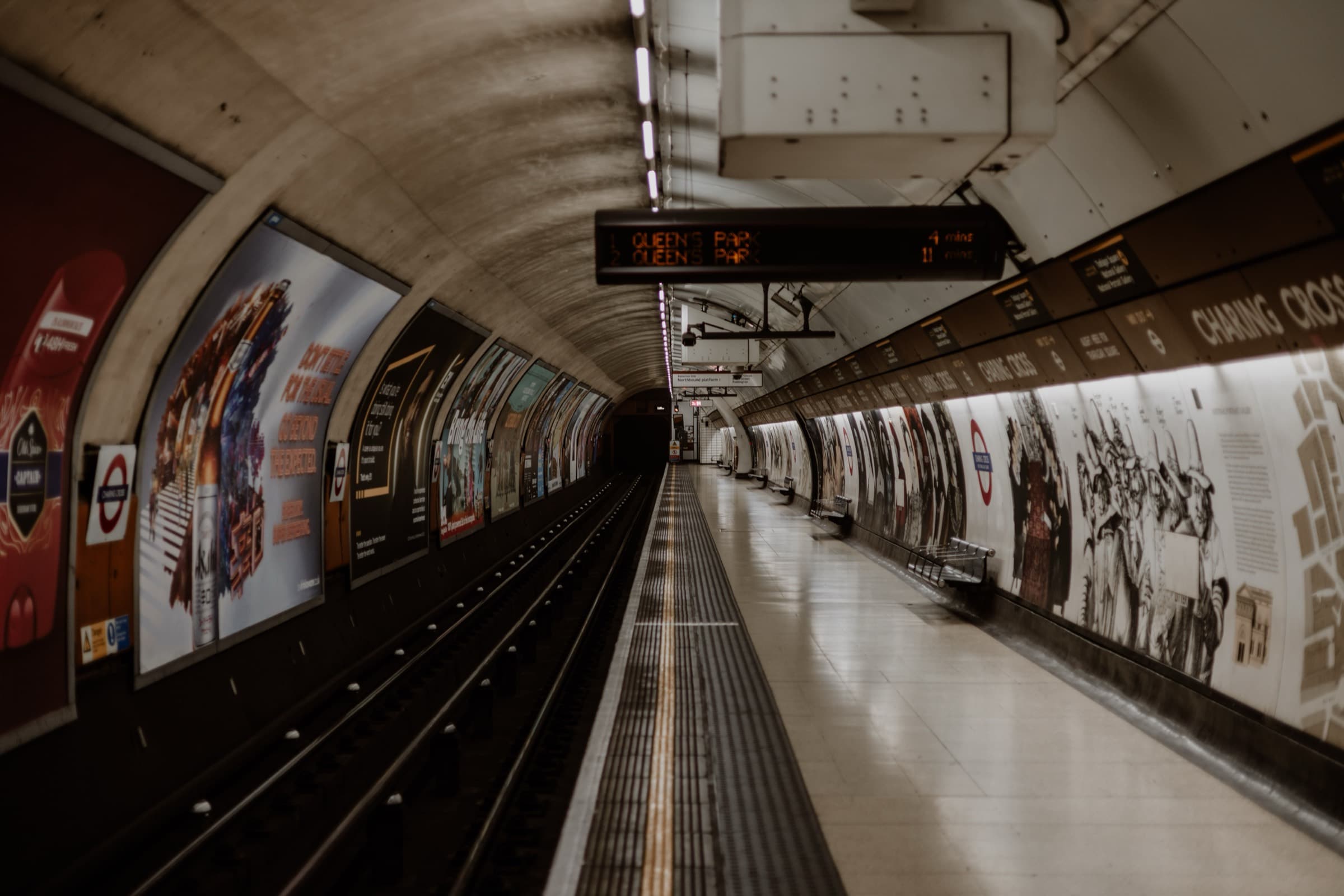
OT cyber resilience across rail, road, aviation and maritime, the networks that move people and freight.
Transport is critical national infrastructure. Increasingly, the thing that stops it is not a direct attack on the operator, it is a shared digital service or a single supplier going dark.
In 2022, a security incident at a single rail software supplier halted every train across Denmark's national operator for hours, without the operator's own network ever being touched.
The pattern is consistent across every mode: the OT and shared services that run transport were built for safety and availability, not for adversaries. Connectivity and supplier concentration have outpaced the controls that should govern them.
$300m
NotPetya · Maersk, 2017
A single attack paralysed container shipping worldwide, the landmark case for how fast OT disruption spreads across a global network.
4airports
Collins MUSE, 2025
Heathrow, Brussels, Berlin and Dublin forced back to manual check-in for days after one shared-platform compromise.
4/wk
Nationally significant incidents
Now handled every week by the UK's National Cyber Security Centre.
Our work is organised into three capability areas. Each maps directly onto the transport problems that follow, across all four modes: rail, road, aviation and maritime.
Prepare for, withstand and recover from cyber incidents and operational disruption.
Secure and modernise control systems and OT environments.
Help operators navigate operational reality and digital innovation.
We are vendor-, tool- and standard-agnostic. We map to NIS2 and the sector standards that govern each mode, without locking you into any one of them.
Our work maps directly onto the transport problems operators face, across all four modes: rail, road, aviation and maritime.
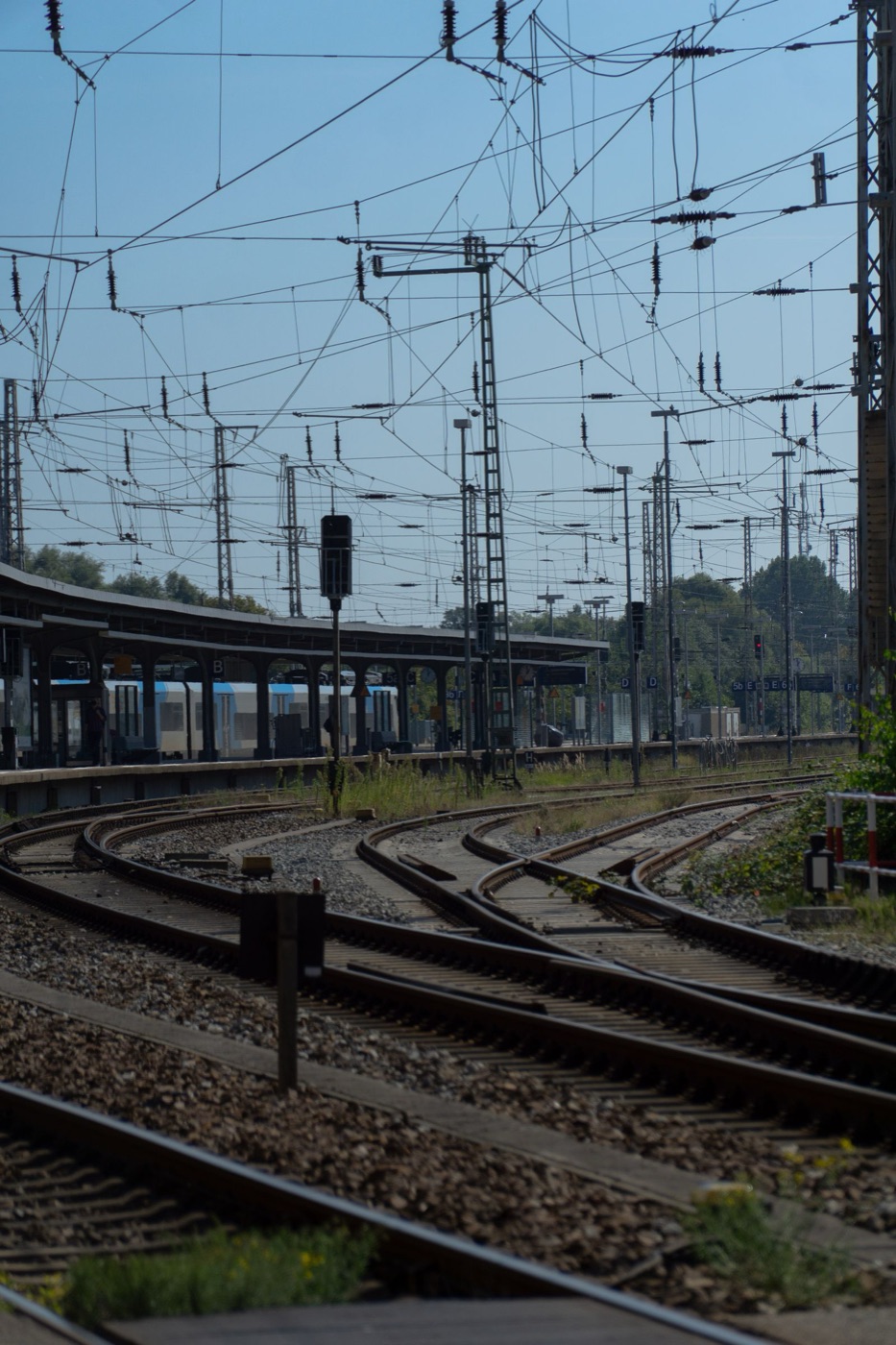
Signalling, control, traction power, stations and depots, passenger and freight networks.
Rail runs on safety-critical OT with decades-long lifecycles: signalling and interlockings, train control (ETCS/CBTC), traction-power SCADA, station and depot systems, and GSM-R/FRMCS communications. As these converge onto IP networks the attack surface grows, while the safety-assurance regime (CENELEC, TS 50701) leaves little room for disruptive change. The estate is geographically vast and hard to monitor, and operators depend on a small number of suppliers and integrators. The Danish DSB case made the consequence plain: an incident at one software supplier halted an entire national network for hours, without the operator's own systems being attacked.
Service continuity, with safety-case integrity preserved as signalling becomes more connected.
Visibility of, and leverage over, the suppliers and integrators that can halt the network.
Faster, rehearsed recovery when an incident hits.
Demonstrable alignment to NIS2 and rail cyber standards such as TS 50701.
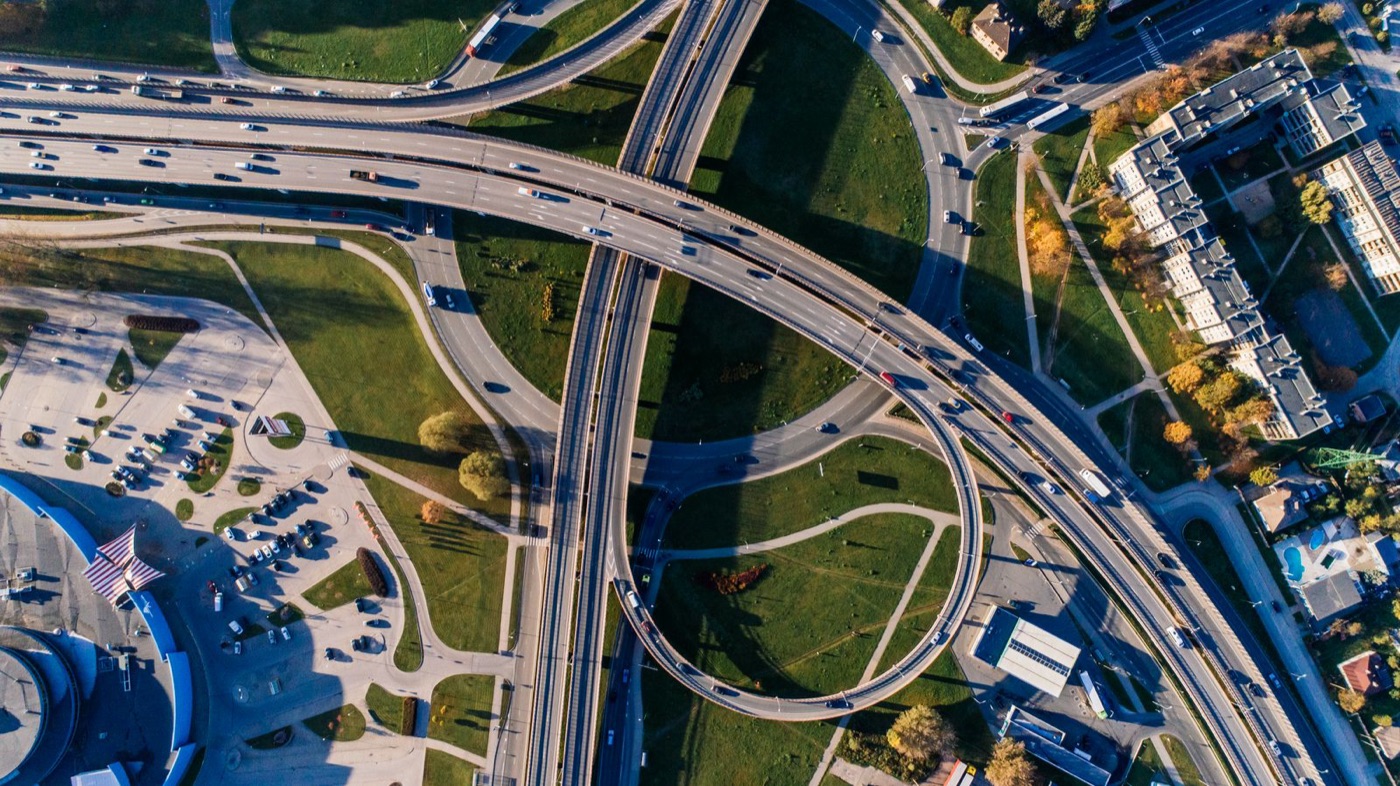
Intelligent transport systems, tunnels and motorways, tolling, EV charging and freight logistics.
Road networks run on OT spread across thousands of roadside locations: traffic signals, variable-message signs, tunnel and motorway control SCADA, tolling, and a fast-growing EV-charging estate, increasingly joined by connected and automated-vehicle infrastructure. Much of it sits on exposed roadside networks never designed for adversarial security. Manipulation of signals, tunnel ventilation or control-room systems is a safety hazard, not just an IT outage; and the logistics and fleet operators that move freight have repeatedly lost weeks of operation to ransomware. The estate is highly distributed and hard to monitor or physically secure.
Protected road-network availability and public safety.
Reduced exposure across a sprawling, distributed roadside estate.
Supply-chain leverage over ITS and charging providers, and more resilient logistics.
Cyber risk priced into smart-infrastructure investment, not discovered after go-live.
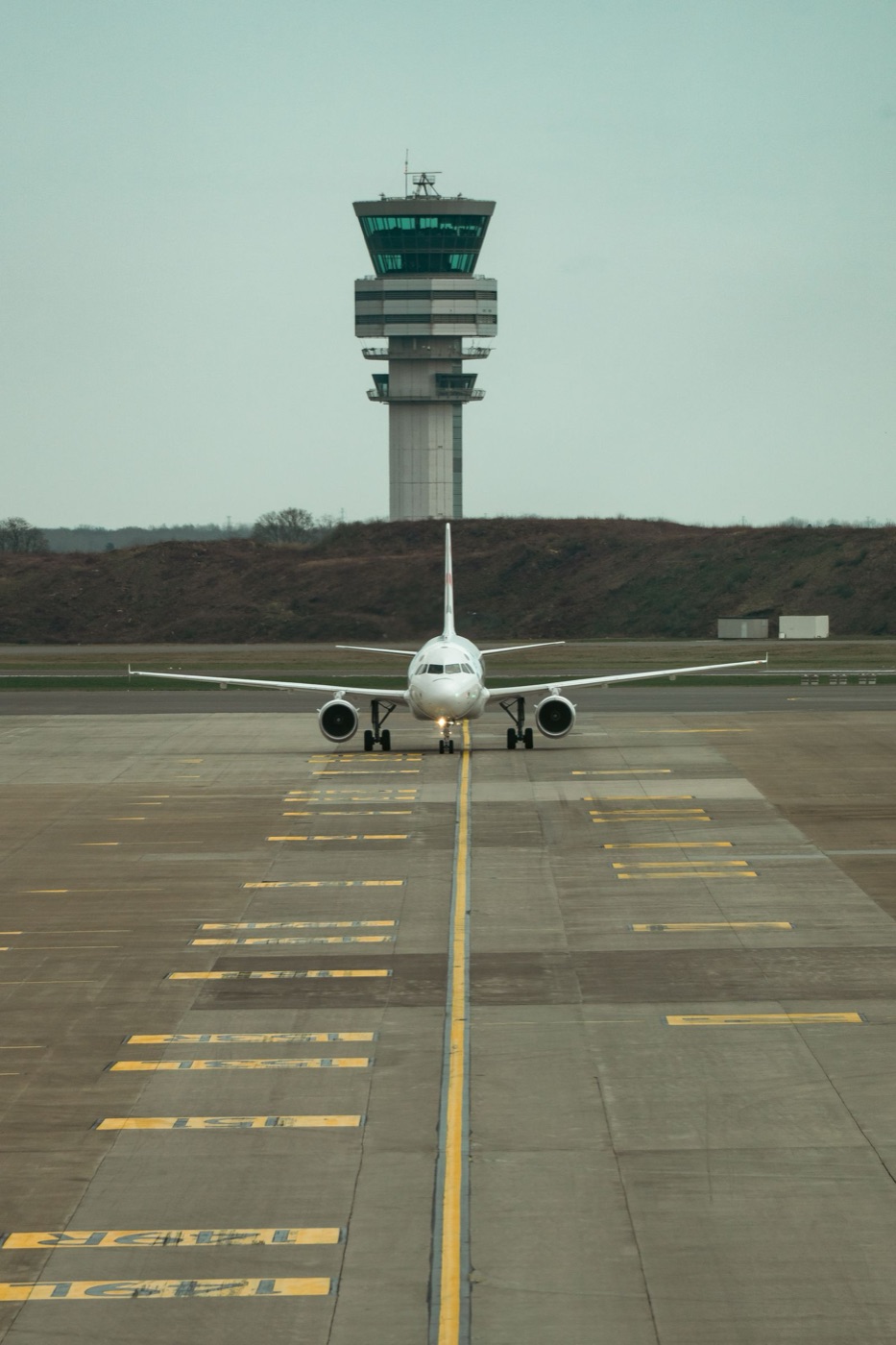
Airline operations, airport ground systems, baggage handling and shared service platforms.
Aviation runs on a dense web of shared systems and suppliers: airport check-in, boarding and baggage-handling platforms, airline operations systems, ground-support equipment, and the airport OT behind power, fuel and building services. The September 2025 ransomware attack on Collins Aerospace's MUSE check-in platform showed how fragile this is, a single supplier compromise forced Heathrow, Brussels, Berlin and Dublin back to manual check-in for days. Aviation is also a standing target for criminal and state-sponsored actors. The efficiency of shared, centralised platforms is exactly what turns one incident into continental disruption.
Passenger operations protected, with a tested fallback when a shared platform fails.
Reduced single-supplier exposure across the airport estate.
Faster recovery and a rehearsed response to platform-down events.
Alignment to EASA Part-IS and NIS2, and stronger standing with regulators and insurers.
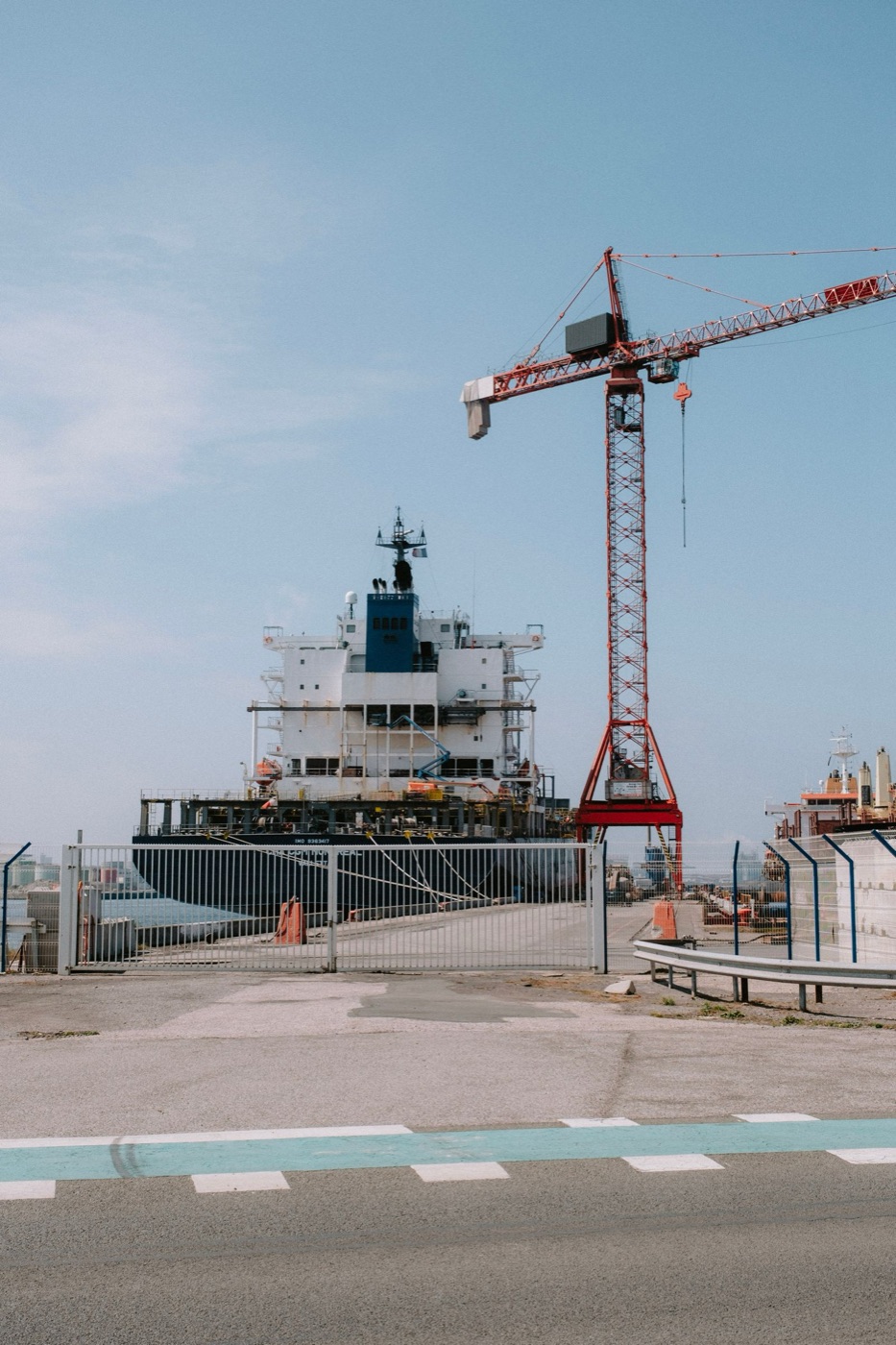
Ports and terminals, and vessels, bridge, navigation, propulsion and cargo systems.
Maritime risk spans two connected worlds: ports, terminal operating systems, cranes, gate and yard automation, and the OT behind power and fuel, and vessels, where bridge systems, ECDIS, propulsion, ballast and cargo control increasingly sit behind satellite links and OEM remote access. The 2017 NotPetya attack on Maersk is the landmark case: it halted container operations worldwide and cost an estimated $300m. Onboard OT was historically isolated; connectivity has changed that faster than the controls have kept up. Regulators have responded, cyber risk now sits inside ships' safety management systems, and classification rules set expectations for newbuild cyber resilience.
Protected port throughput and vessel availability.
Controlled, monitored remote access to onboard and port OT.
Faster recovery and a rehearsed response to incidents at sea or in port.
Alignment to IMO and IACS UR E26/E27, and to NIS2 where applicable.
Every capability maps to a specific transport need across the four modes. Use this as the at-a-glance view of how we can help.
Continuous OT monitoring and a single view of resilience posture across a distributed transport estate.
Service-down and manual-fallback playbooks, rehearsals and tested recovery for rail, road, air and sea.
Alignment to NIS2 and sector rules (TS 50701, EASA Part-IS, IMO / IACS), with board-ready reporting.
OT-safe validation of segmentation across ITS, control rooms, port and onboard systems.
Multi-site OT security architecture and roadmap, delivered without disrupting live operations.
On-the-ground rollout and commissioning across signalling sites, ports and depots.
Cyber assurance at capex, new signalling, smart infrastructure, airport systems, port automation, newbuild vessels.
Risk-tiering and continuous assurance of suppliers, integrators, OEMs and shared service providers.
Safety-cyber convergence and OT strategy from operator-side practitioners.
Modelling and automating operational and assurance workflows for consistency and control.
Integrity and governance of operational and connected-infrastructure data feeding analytics and AI.
Governing AI that touches operational or safety decisions, on trusted operational data.
We come from the operational floor.
We have run multi-region OT security programmes across critical infrastructure. That matters in transport, where security advice that ignores live operations and safety cases gets ignored on the ground.
We are vendor-, tool- and standard-agnostic. We map to what you already run and the frameworks you already answer to, and we leave you with capability, not dependency.
Engineers who have programmed the PLCs, built the panels and recovered the plant across 25+ industrial sites.
We map to what you already run and the frameworks you answer to. We leave you with capability, not dependency.
Evidence the board can act on, delivered inside live operational constraints, not a slide deck.
Engineers who have stood in the control room, not a slide deck.