
OT Security Adoption & Site Enablement.
A standard published at head office changes nothing at the plant gate. We take group policy to the shop floor site by site — hands on the cabinets, engineers in the control room — and leave each site running the controls itself.
Adoption is measured on site, not in a policy register.
01 · The gap in the market
The standard is written. The plant hasn't heard of it.
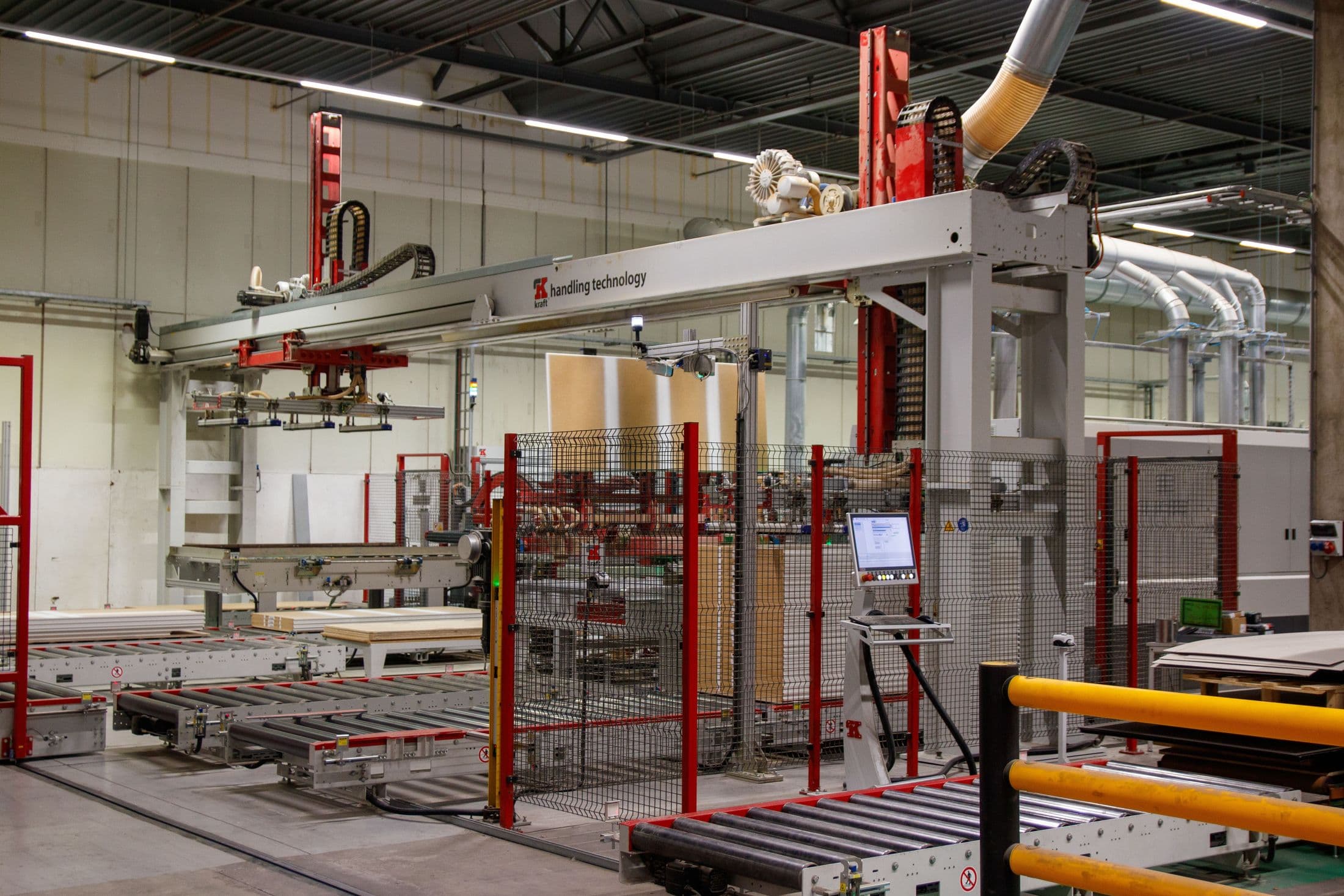
This is the last mile of OT security, and it is where most estates quietly fail. Group publishes a standard; sites are asked to “comply” with no time, no budget and no one who can safely touch a live control system. Compliance becomes a spreadsheet exercise, the plant carries on as before, and the risk never actually moves.
 Group
Group01
Where the estate is governed
Central IT, group security, the platform. Mature, monitored, well understood.
 Standard
02
Where the standard is written
Policy, baselines and configuration authored a long way from any process.
 Plant
Plant03
Where it has to land
Live production, legacy controllers, one maintenance window a year, and no spare hands.
The gap is between the second frame and the third. Nobody crosses it for you.
Group security functions
A standard with no delivery arm
The policy is sound. What is missing is anyone with the OT competence and the site relationships to make twelve plants actually do it — so adoption is self-reported and unverified.
We are the delivery arm on the ground.
Consultancies
They stop at the gap analysis
A per-site maturity score and a list of recommendations. Nobody opens a cabinet, touches a switch configuration or stands in a night-shift handover.
We do the engineering, not the scoring.
System integrators
Project delivery, not adoption
They will install what is specified and leave. Nobody transfers the operating knowledge, so the control decays the first time it inconveniences production.
We hand over to trained owners.
Site engineering teams
No capacity for someone else’s mandate
The people best placed to do this are already running the plant. Group work lands on top of a full day and quietly slips — for entirely rational reasons.
We bring the hands, they keep the plant running.
02 · What it is
Adoption, not announcement.
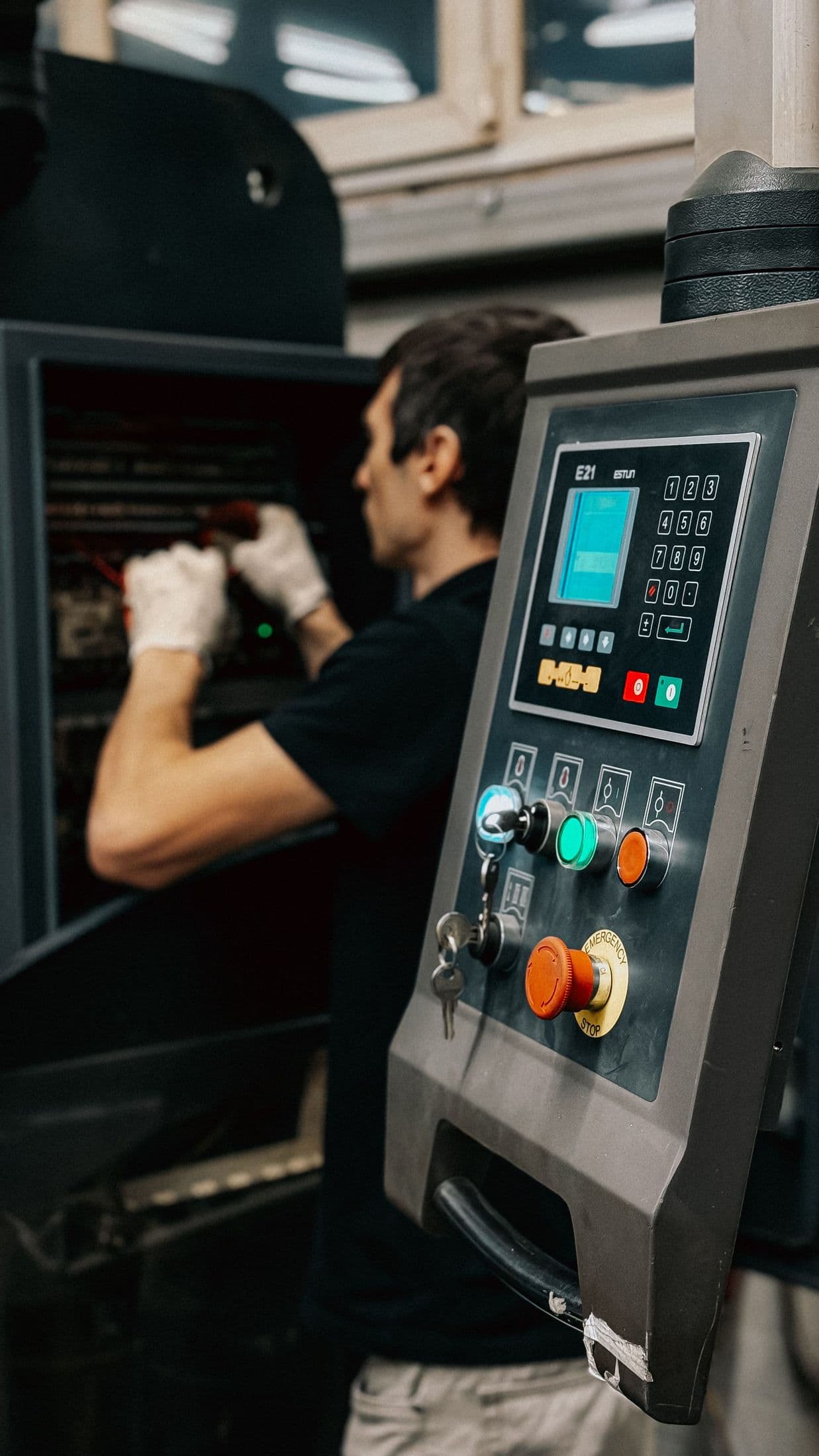
We land your OT security standard at each site as working, operable control — configured, tested, documented and owned locally. Our engineers are the ones in the control room and at the cabinet: validating the asset inventory by walking the plant, hardening what can safely be hardened, and being honest about what cannot.
Then we build the site's own capability — named owners, tested runbooks, trained shift teams — so adoption survives after we leave. Engineered by us, owned by them.
Hands on the cabinet · not a clipboard exercise
03 · Real execution
What we actually do when we are on your site.
Not an assessment. This is the engineering work, done in your windows, under your permits, with your people alongside.
04 · The rollout model
Prove it at one site. Then repeat it, faster, at the rest.
Estates do not get secured by simultaneous effort. They get secured by a pattern that works, applied in waves — each wave cheaper and quicker than the last because the template, the evidence and the objections are already known.
05 · Enablement
A control nobody at the site can operate is not a control.
Enablement is the half of this pillar that consultancies skip. We build the local muscle to run, verify and defend what has been installed.
06 · What each site gets
A site pack that proves adoption happened.

07 · Why Nuvantiq
Site teams let us near the process. That is the whole job.
01
We have done the work, not just reviewed it
Our engineers have written the PLC code, configured the switch and recovered the plant. Site teams can tell within an hour, and it decides whether the programme moves.
02
We arrive with hands, not requirements
The site’s constraint is capacity. We add capability instead of adding tasks — which is why sites stop treating group security as an imposition.
03
Production comes first, and we mean it
Permits, windows, safety cases and rollback plans are how we work, not caveats. Nothing we do is worth an unplanned stoppage.
04
Success is us leaving
The site running its own controls, evidencing them without us, and calling only when it wants to. No dependency, no retainer disguised as adoption.
For group security & the CISO
You need to know the standard is real at every site, not just published. We give you consistent per-site evidence, a rollout you can forecast, and honest exception records where a site genuinely cannot comply — mapped to CAF, NIS2 and IEC 62443.
For the site & plant manager
You have production targets and a group mandate landing on top of them. We bring our own hands, work to your windows and permits, take the burden off your engineers, and leave you controls your shift teams can actually operate.

Built in, not bolted on. Site by site.
Start with one site.
We will show you what adoption looks like when engineers do it — then repeat it across the estate.
Or email Info@nuvantiq.com.